

It is said: ''The Body Keeps the Creative Score''
Reflections + a guest essay by author Kathryn Vercillo for her book tour.


👋 Dear creative! How are you doing today?
📢 Today is a different kind of post.
I’m inviting a fellow writer to share an important insight into the relationship between the creative body and the work that emerges from this constant duo.
A subject of healing that matters to me
As a creative with decades of observation and in-depth experience of how the body and its memory shape the way we create, I was moved by Kathryn’s piece. The Body Keeps the Creative Score is more than a fact. It is a call to remember one of the greatest tools at hand. One that we must learn to collaborate with rather than control. Our creative endeavors can take a toll on our bodies if we fail to listen to their subtle signals. Yet the body also thrives when it is in balance. It can propel us forward just as much as it can force us to pause. For that reason, it plays a pivotal role not only in what we create, but also in how we move through the creative process itself.
In this newsletter, I have shared that dynamic many times before. Do you remember Art Bruises: when creativity hurts? As a collective, we do not only navigate visible bruises. We also move through life carrying invisible ones, rooted in our personal experiences, industry pressures, and societal illusions.
Throughout history, artists have dwelled within the body and mind, allowing these experiences to shape their work in ways they never anticipated. Those wounds often redirected them toward the essence of their practice, pushing them to innovate and communicate their emotions and message. Pain became a catalyst for discovering, allowing, and expressing their true voice.
The body is an entity of its own, a major part of the creative process and engineering. I believe there are ways to cope, to surrender, to bounce back, and to be reborn through our art forms and in the way we approach our craft.
✦ Did you miss the last post? A new list of opportunities to seize…
☕ Grab some tea or coffee, and let’s go!
Who is Kathryn Vercillo?
Kathryn and I connected a few years ago through a note on Substack, and since then I have witnessed her dedication to bringing clarity and care to the conversation around how mental health shapes the way we create. She is an author, artist, writer, and craftswoman. She bridges disciplines and practices, sharing stories and artists' lived experiences that can become healing tools in our own creative journeys.
In her new research-grounded book The Creative Health Cartography Workbook, she brings practical tools for artists, writers, and makers who want to understand how their health shapes their creative life.
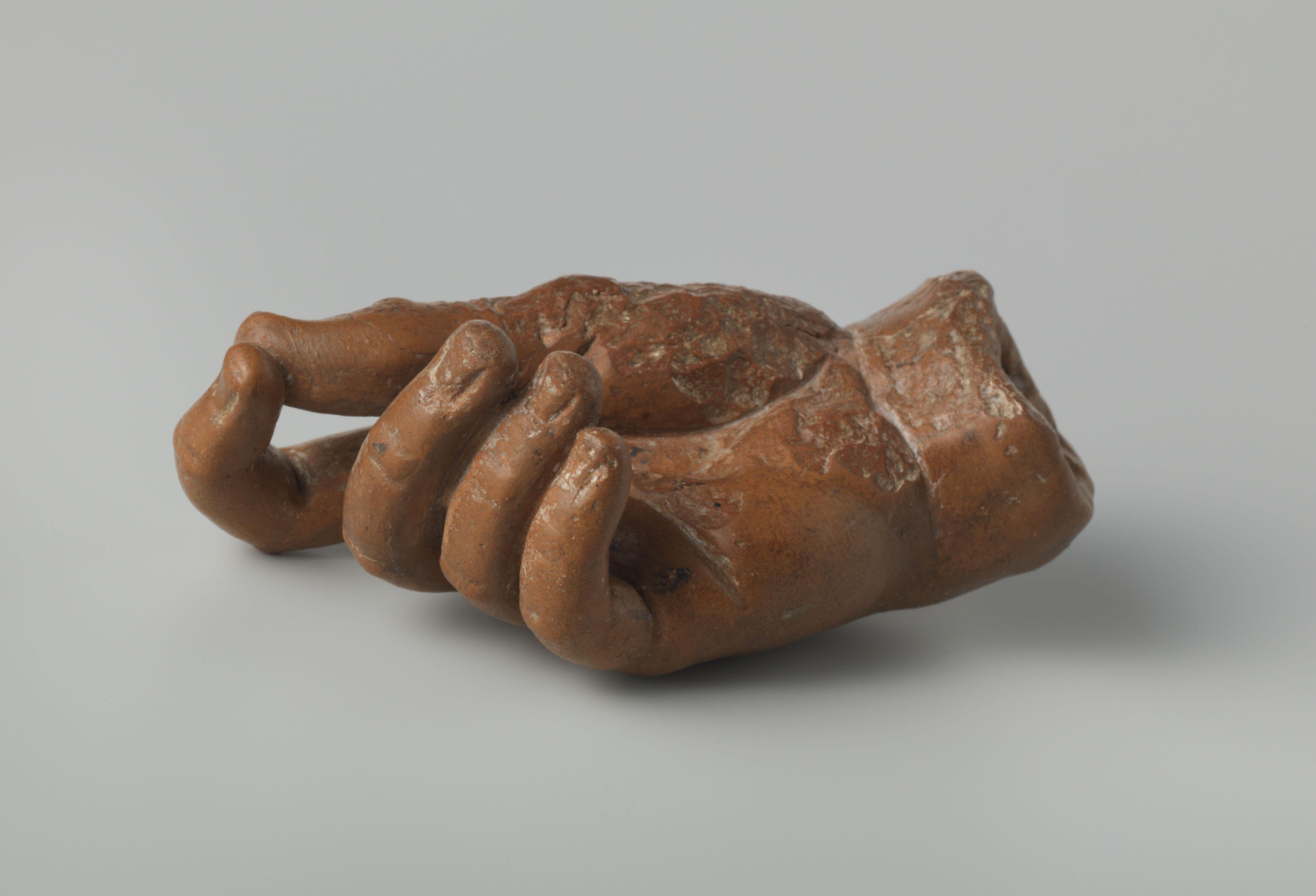
The Body Keeps the Creative Score
What physical health is actually saying in your creative work, and how to start hearing it.
An essay by Kathryn Vercillo
Bessel van der Kolk's research on trauma and the body introduced a generation of readers to something that people with disabilities and in chronic illness communities had been articulating for much longer: that the body carries knowledge. That the body's experience is recorded in tissue and nerve and posture and pain pattern and energy cycle, and that this recording is legible if you develop the language to read it. The now well-known title, The Body Keeps the Score, gave clinical language to something that creative people often know through practice before they have any theoretical framework for it.
The body's relationship to creative work is one that makers notice constantly and rarely have adequate vocabulary for. You know, in some essential way, that when your body feels different, your work feels different. Most creative people carry a story about a period of physical difficulty that changed what they made, or a season of physical aliveness that opened creative possibilities that had been unavailable before. What tends to be harder is knowing what to do with that knowledge: how to work with the relationship rather than being moved by it without understanding it.
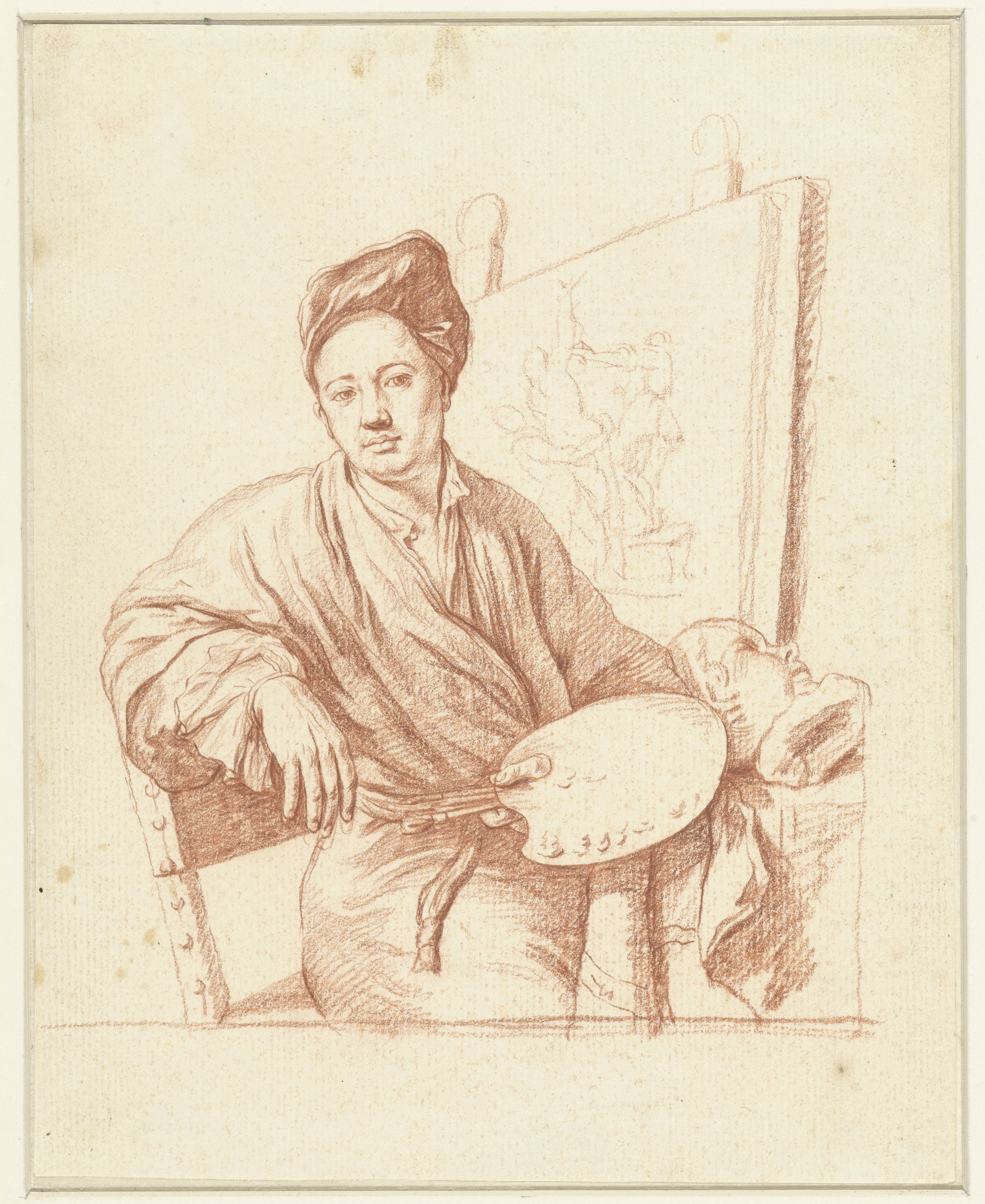
What the body carries into the studio
Physical health shapes creative work through several distinct pathways, and the connections are often more surprising in their specificity than the general claim that health affects creativity might suggest.
The relationship between chronic pain and medium choice comes up in my interviews with particular frequency, and it almost always arrives in the conversation as a discovery the person made under pressure rather than a deliberate decision made in advance. A painter who developed fibromyalgia described the moment she understood that large canvases had become inaccessible: standing at that scale, making the kind of physical marks the large work required, exceeded what her body could sustain in pain. She moved to smaller work. The smaller scale turned out to carry something her larger paintings had reached for but had difficulty finding: a particularity of attention, a density of mark, a quality of intimacy that the larger work had sometimes dissolved into gesture. The physical constraint had opened something she had been unable to access through choice alone.
This is the pattern I encounter repeatedly, in enough variations to trust it as something real: the body's limitations and requirements, when worked with rather than around, tend to generate specific creative responses that would never have been reached through deliberate planning. Fatigue and energy-limiting conditions have produced, in the writers I have interviewed who live with them, formal innovations that look in retrospect like aesthetic choices: shorter pieces, fragments, essay forms that breathe, poetry where sustained prose had been the practice before. These are creative responses to real conditions, shaped by real physical necessity, and they carry the intelligence of that necessity in them.
Illness and subject matter have a relationship that anyone who has read deeply in illness memoir or disability arts will recognize. The body's experience tends to find its way into the work: sometimes directly, more often obliquely, in the particular texture of attention, in the subjects that keep returning, in the quality of presence that comes from having lived in a body in difficult ways. Frida Kahlo painted her surgeries and her pain and her body's relationship to its own brokenness and repair, and what emerged was both a documentary of physical experience and a body of work of profound formal originality. The two things are inseparable. The physical experience was the creative resource, and the creative resource was the physical experience.
The medication conversation creative culture avoids
Psychotropic medications, pain medications, and treatments for chronic illness affect cognition, energy, attention, mood, and the specific quality of creative engagement in ways that are significant and specific to the individual taking them. This is a part of the creative health landscape that receives almost no direct attention in the literature on creative practice, probably because it requires acknowledging the complexity of medication relationships in ways that resist easy narrative.
The artist on a medication that stabilizes their mood and costs them some of the intensity that used to drive their work is navigating something genuinely difficult. The decision is real, the trade-offs are real, and there is no framework outside of the person's own experience and values that can resolve it. What the Creative Health Cartography framework offers is a place to look at that landscape directly: what is the medication doing in the various domains of your creative health, what does your physical experience feel like on and off it, how has your relationship to your medium and your content and your creative identity shifted in relation to it? These are questions we can benefit by sitting with rather than managing around.
Body knowledge as creative resource
The somatic psychology tradition and the disability arts and chronic illness communities that have been developing their own parallel frameworks for considerably longer than the clinical world has been paying attention, share a central insight: the body is a source of knowledge rather than a vehicle for the mind's intentions. The body carries information about what is happening, what has happened, what the current conditions actually are, and what they require. That information is available, specific, and tends to be more accurate than the stories the mind tells about what the body should be doing.
Creative people who have developed a working relationship with this information, who have learned to read what the body is saying and to respond with curiosity rather than override it with demand, tend to have more sustainable practices than those who treat the body as an obstacle or an instrument. The practice gets built around the real body rather than an imagined one, and real bodies, even the difficult and unpredictable ones, are more reliable than imagined ones precisely because they are what is actually there.
To be clear, I’m not talking about optimizing the body for creative output. That framing makes the body instrumental to production in a way that reproduces the same logic the framework is pushing against. The physical domain in Creative Health Cartography is an invitation to a different kind of conversation: what is your body actually like right now, not in comparison to what it used to be or what you wish it were, but in its current specific reality? How does that show up in your creative work? What does your practice need in order to be genuinely built around your physical reality rather than imposed on top of it?
A note on chronic illness and disability
The workbook is designed with the full range of human physical experience at its center, including fluctuating capacity, access needs, and the reality of making in a body that requires particular kinds of care and accommodation. The exercises in the physical domain are written for that full range rather than for an able-bodied baseline that treats chronic illness and disability as edge cases requiring modification.
The relationship between physical experience and creative work, in all its difficulty and specificity and sometimes its strange generativity, is territory to understand and map rather than a problem to solve. The mapping, done with genuine honesty and curiosity, tends to produce self-knowledge that makes the creative practice more sustainable and more specifically yours. The body has been keeping the score all along. The workbook gives you a structure for reading what it recorded.
This essay ‘‘The Body Keeps the Creative Score’’ by Kathryn Vercillo is part of her Creative Health Cartography Workbook tour.
Follow the full tour at createmefree.substack.com. If you liked this essay, then you might also like to read this one.
As one of my readers, you get a 20% off the workbook with promo code WorkbookTour20 (available for both the PDF and the signed print copies).
Creativity is in every little curious experimentation.
Congrats, you made it to the end!
I hope Kathryn’s words and workbook can be useful in your creative journey. Feel free to dive into her library of research and discover stories of artists and creatives who are paving their way through the pivotal relationship between health and creativity.
As always, if this letter brings some light to your day → 💖 put a heart on it.
Share it with peers, friends, and family, as it helps more people discover this space. I leave you with my latest summer tunes.
Until next time,
Keva.

 | A guest post by
|